Living in Denver my entire life, I can easily take for granted all the amazing access I have to miles upon miles of stunning trails. At least a dozen times a summer, if not more, I can be found zooming up to Ward, a small town outside of Boulder, doing a post-work glacier hike or a sunset stroll with roaming moose. Ward is the gateway to Indian Peaks Wilderness, a sprawling area of wildflowers, lush greens, endless wildlife, and amazing backpacking routes. This summer I got the chance (and almost impossible to obtain permits) to do the Northern Indian Peaks Loop.
Northern Indian Peaks Loop for the average backpacker is a 3-day event that winds over two demanding passes and curves along crystal clear alpine lakes, verdant fields, and impressive sites to set up your tent. Clocking in around 28 miles (give or take with optional side excursions), this loop showcases some of the most beautiful areas of Indian Peaks Wilderness.
Although I finished this trek in the first week of August, my story with this backpacking trip started 6 months earlier. My alarm was set, my computer screen was open to recreation.gov, and my schedule was pulled up. Unfortunately, the days of impromptu camping excursions are long gone, and the world of months in advanced permitting is the reality of planning a summer trip in Colorado. Although not spontaneous, all my experiences with permitted camping have been exceptional due to lower numbers of hikers and less damage on the trails.
I decided to do the route clockwise and camp for two nights. I got my first-night permit for the very in-demand area of Crater Lake and got a second one for the Buchanan area. With my permits ready, I prayed for good weather, called up some college friends to join, and started mapping out our journey.
Going to school in New Orleans, I never expected my friend group from college to be outdoor enthusiasts. While most of them live in ultra-urban areas, I invite them on all of my 6-month-in-advance nature excursions, and to my delight, they always say yes. But unfortunately from a logistics perspective, having 4 people fly in from different states without gear, altitude acclimation, or any idea what they’re getting into, I unintentionally become the guide for the group.
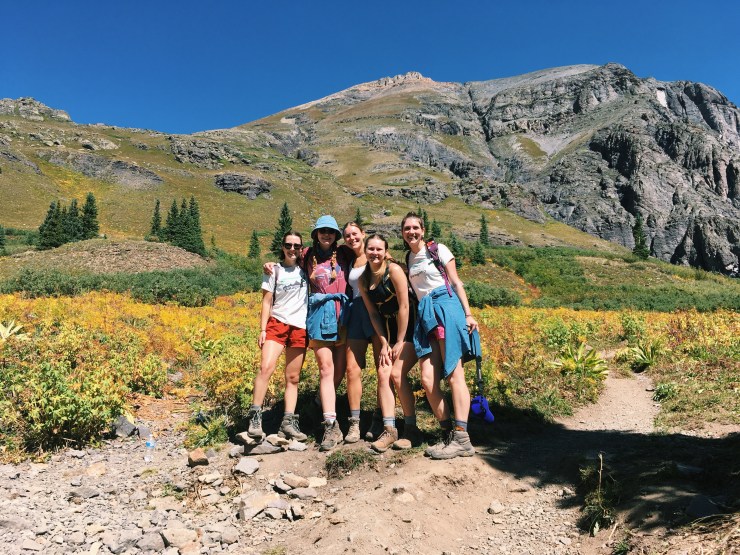
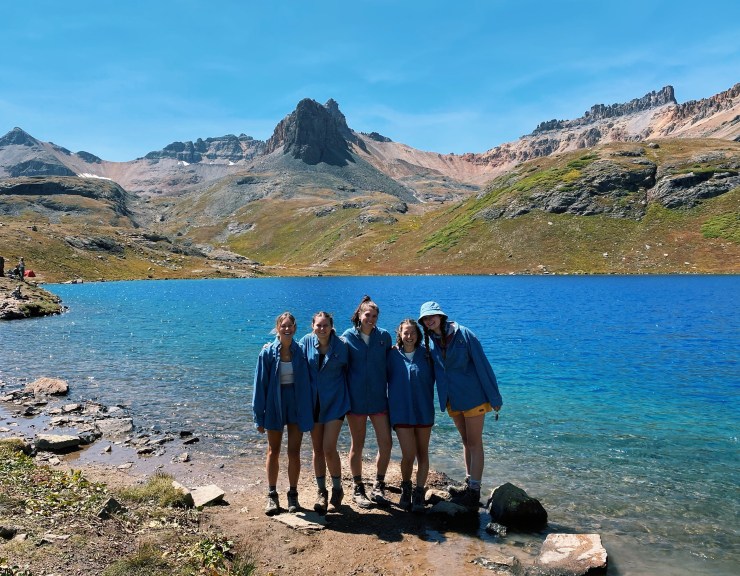
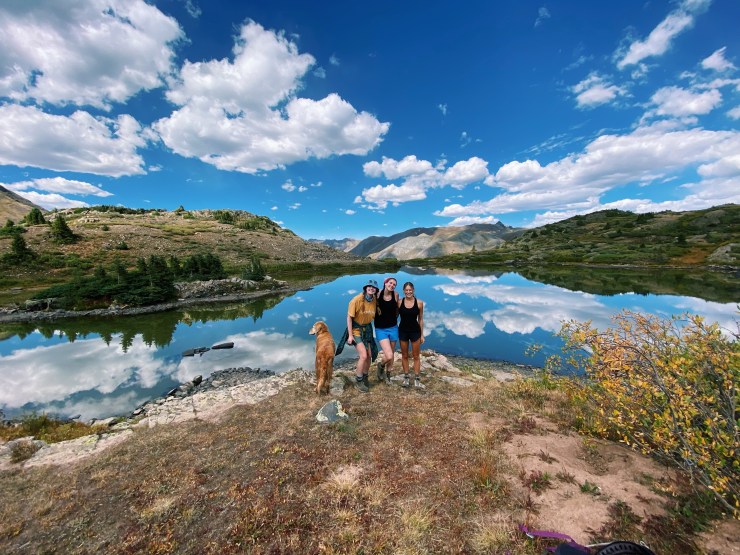
Slowly my living room turned into an REI warehouse, sprinkled with sleeping pads, gas canisters, and various layers of clothing. I tried to soothe everyone’s nerves and answer questions of how difficult the route would be, how much food we might need, and if we were all going to suffer from being out of shape. But early Friday morning, with the best bagels we could find in our stomach, slow tunes of John Denver blasting, and the jittery pre-backpacking trip excitement, we were ready to begin.
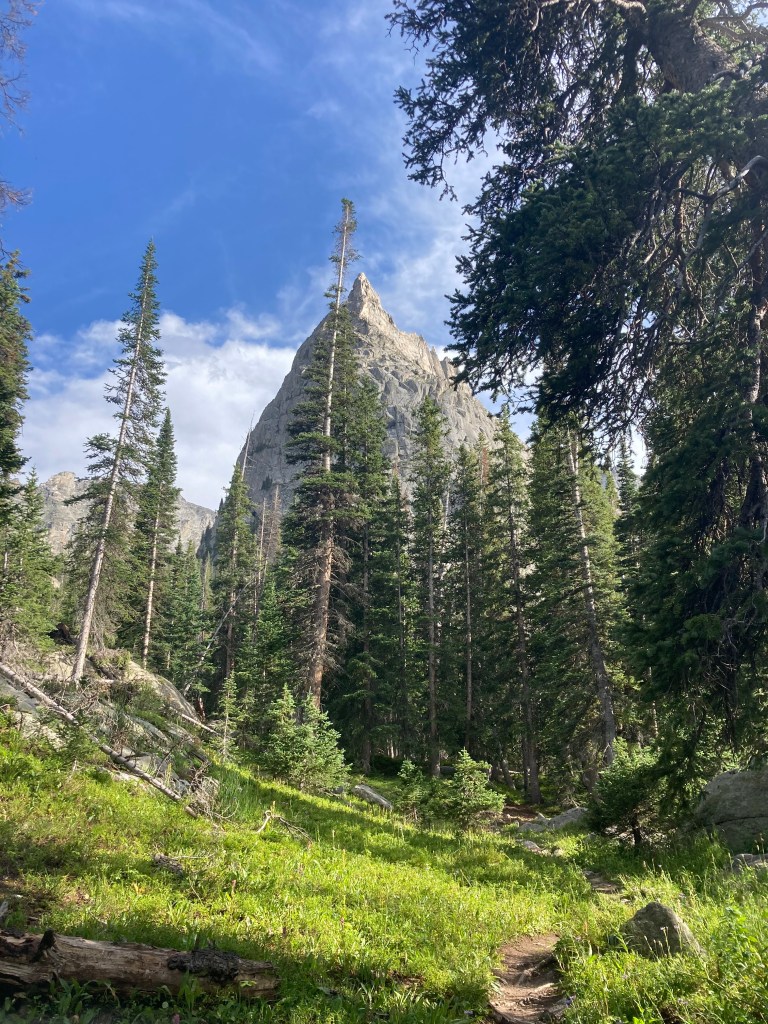
Ward, as mentioned, is an enchanting little place, and pulling up into Brainard Lake always leaves me in awe that this little slice of woodsy heaven is just an hour and a half from Denver. The first day started off dreamy, as we slowly made our way up to Isabelle Glacier, which is always a fan favorite for the little effort necessary to reach it. Isabelle Glacier is always decorated with flowing streams, wildflowers, and on a blue-bird day shows how colorful Colorado really is. Once past the glacier, the initial climb began and we wondered how bad the first pass would be.
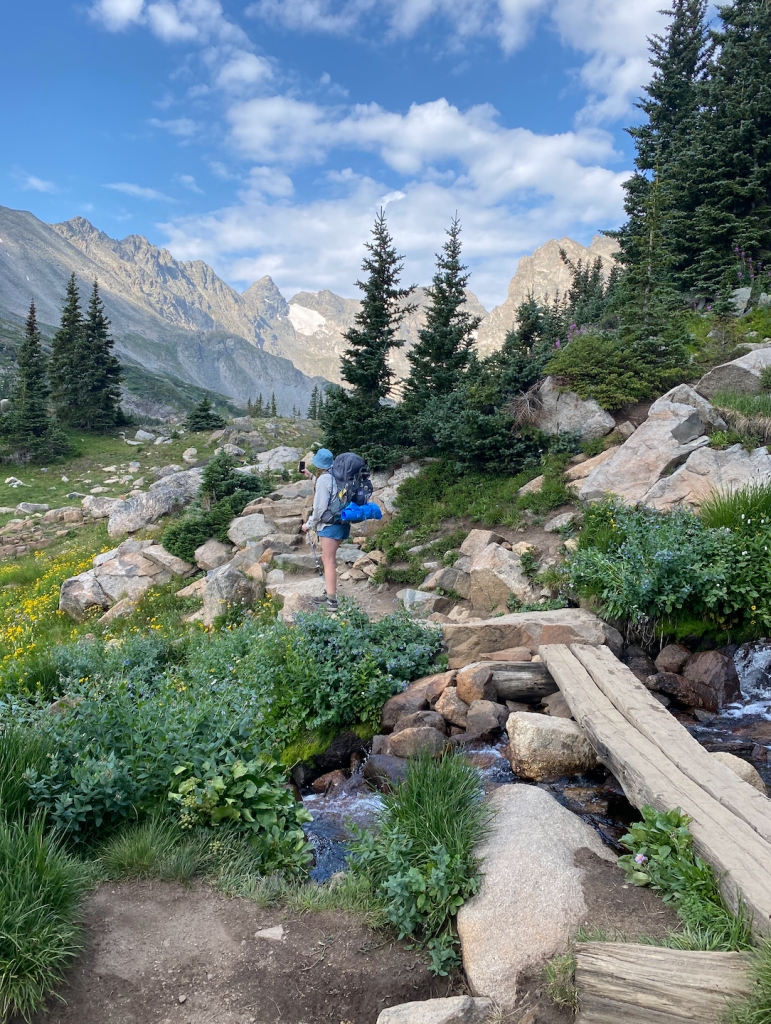
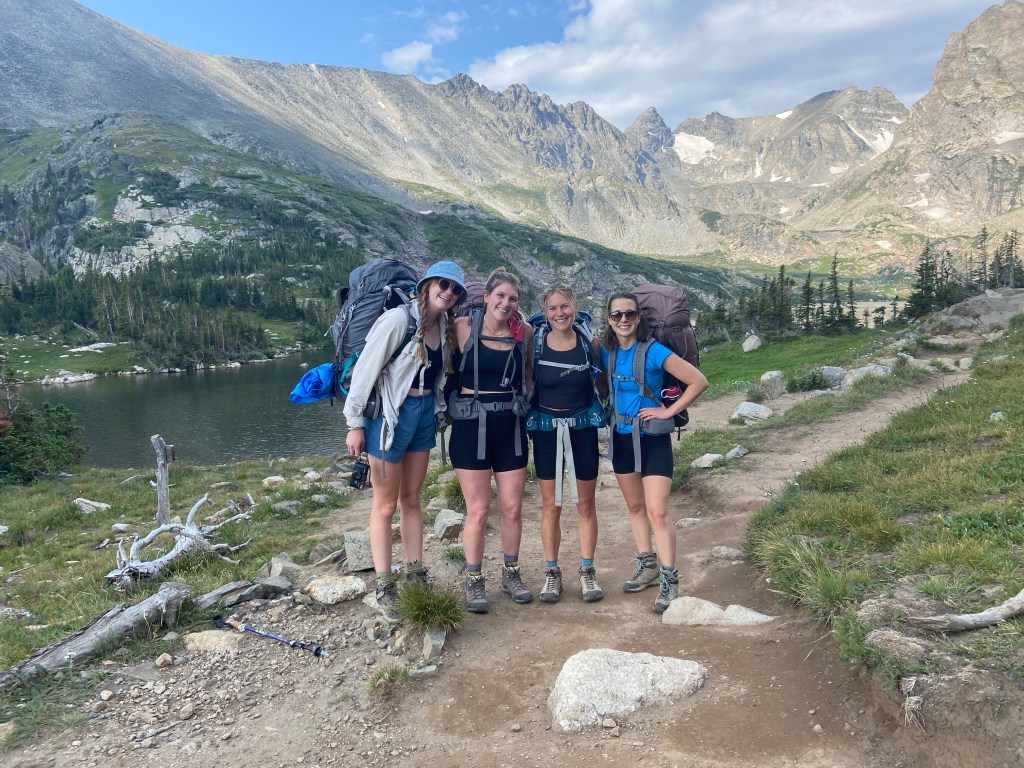
Pawnee Pass, though not the most challenging, was brutally windy. But viewing Isabelle Glacier from above and knowing that Crater Lake was awaiting us on the other side made the climb to 12,524 feet a little less painful. While climbing this, you can also summit Pawnee Pass, but my group was motivated to set up camp so we trudged through the relentless wind to find the other side of the pass a washed-out boulder field.
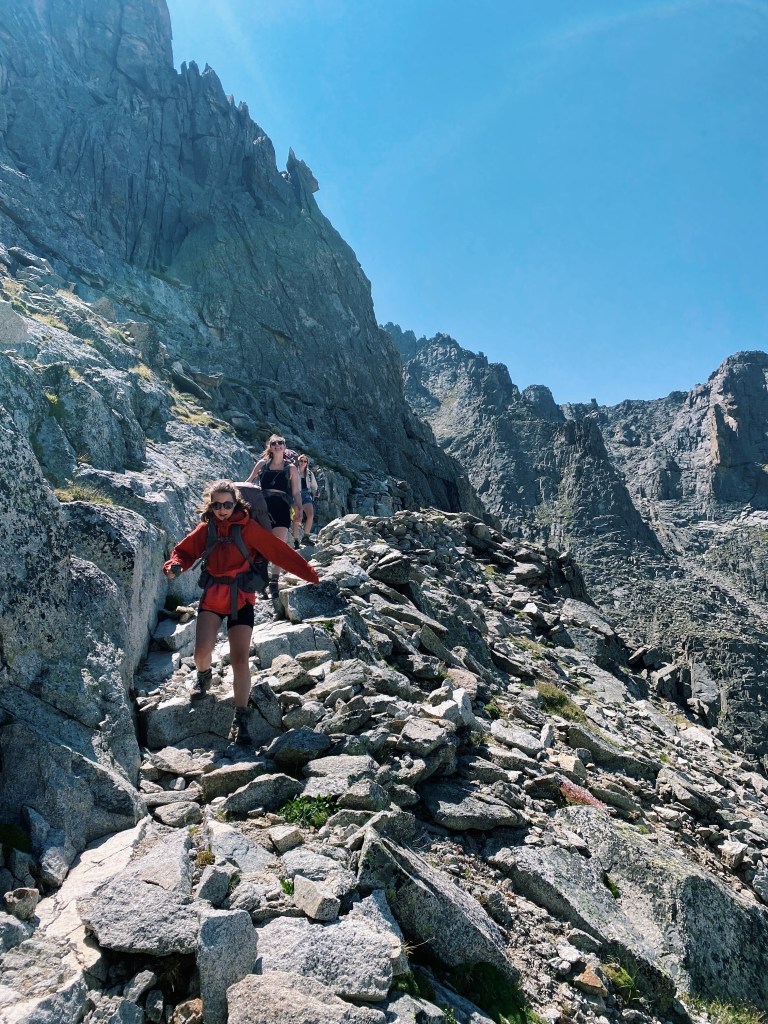
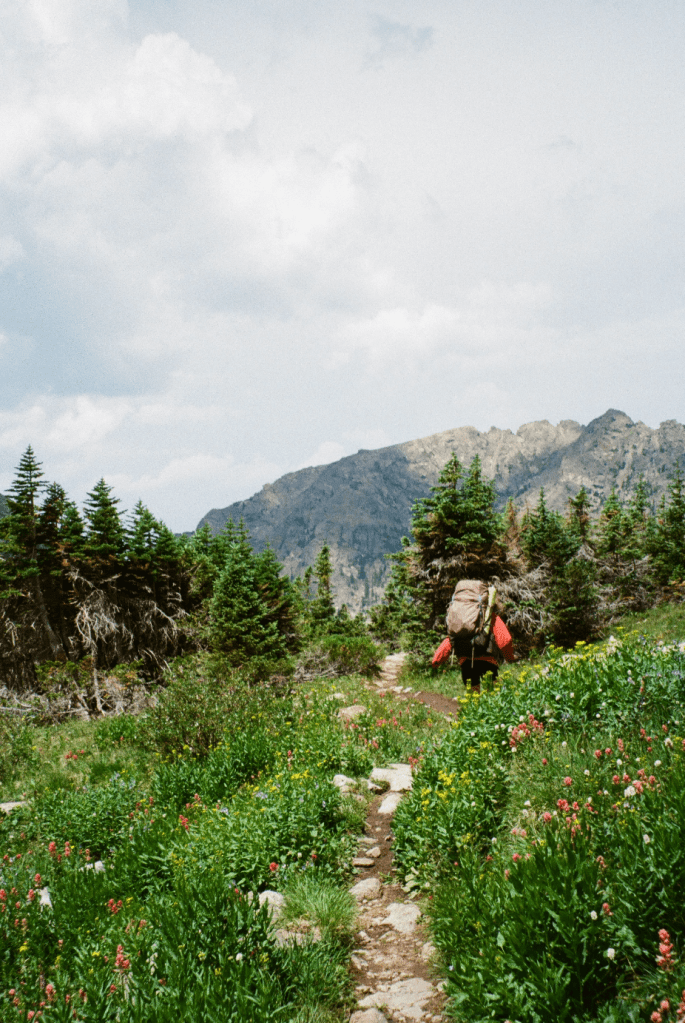
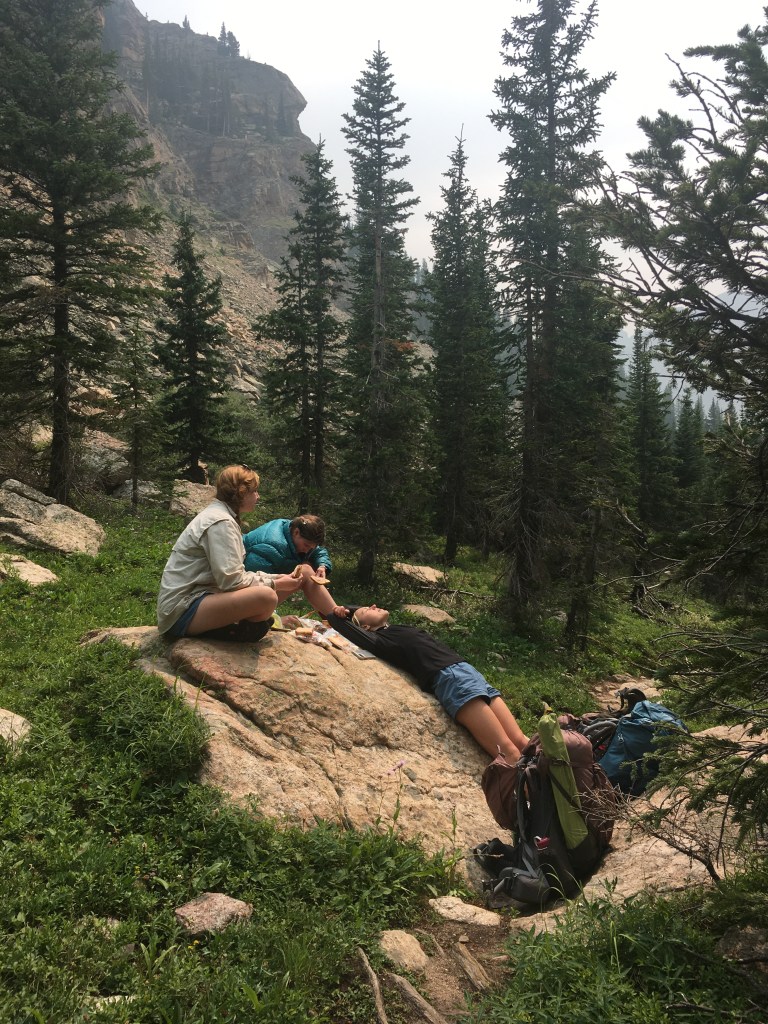
The other side of Pawnee was just as rough as the trail reviews I read had described. The path was nearly impossible to see, I clung onto my single hiking pole to keep my stability with shaken knees. While the out-of-towners struggled with the altitude on the way up, I struggled with my fear of heights on the way down. One wrong move and a boulder would tumble below to fellow hikers. With a few wrong turns and a lot of clinging onto rocks for dear life, we made it to a lush grassy area. We pulled off for lunch just before Pawnee Lake (which in retrospect would have been the perfect lunch spot). After the pass, the trail was covered in wildflowers, storybook mushrooms, and running streams. After so much up and down from the day, our legs were definitely shot, and we weren’t expecting so many fallen trees from previous avalanches. With a few moans and groans ducking under and hopping over large debris, we made our way to the Crater Lake trail.


Camping at Crater Lake does add in some extra mileage but is an absolute highlight to the entire trip. We landed at camp spot #7 which gave us a gorgeous view of Lone Eagle Peak and faced the turquoise water of Crater Lake. With a successful day of hiking and perfect weather, we made some pasta, took a dip in the refreshing water, and soaked up the beautiful views with multiple games of cards.
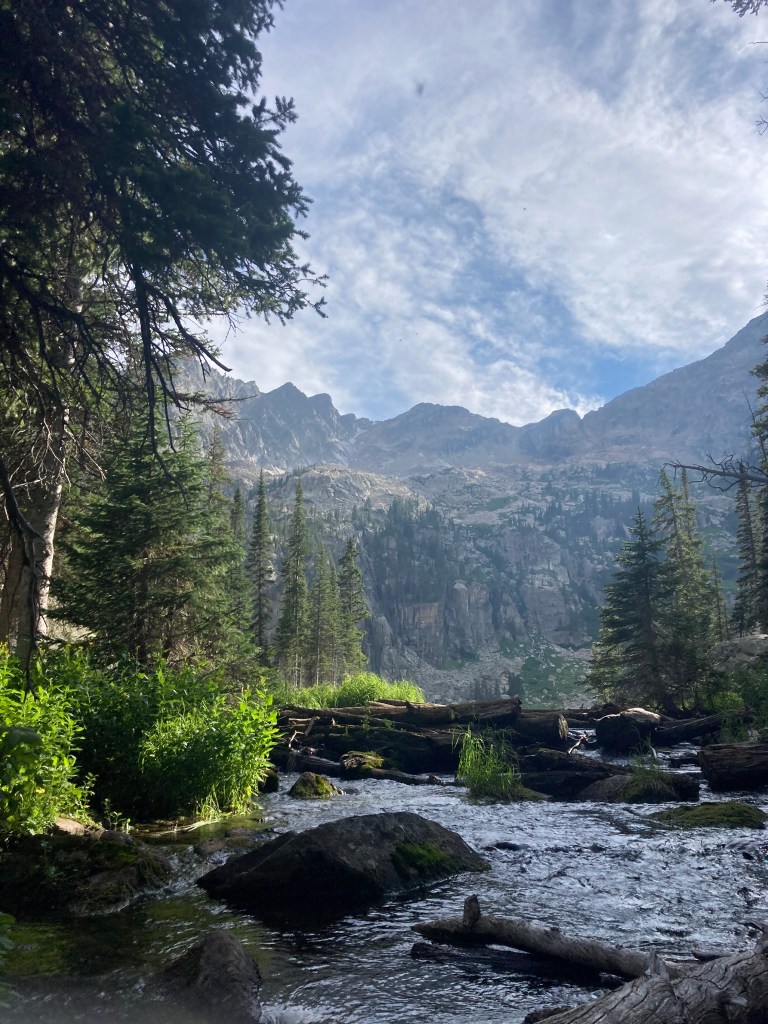
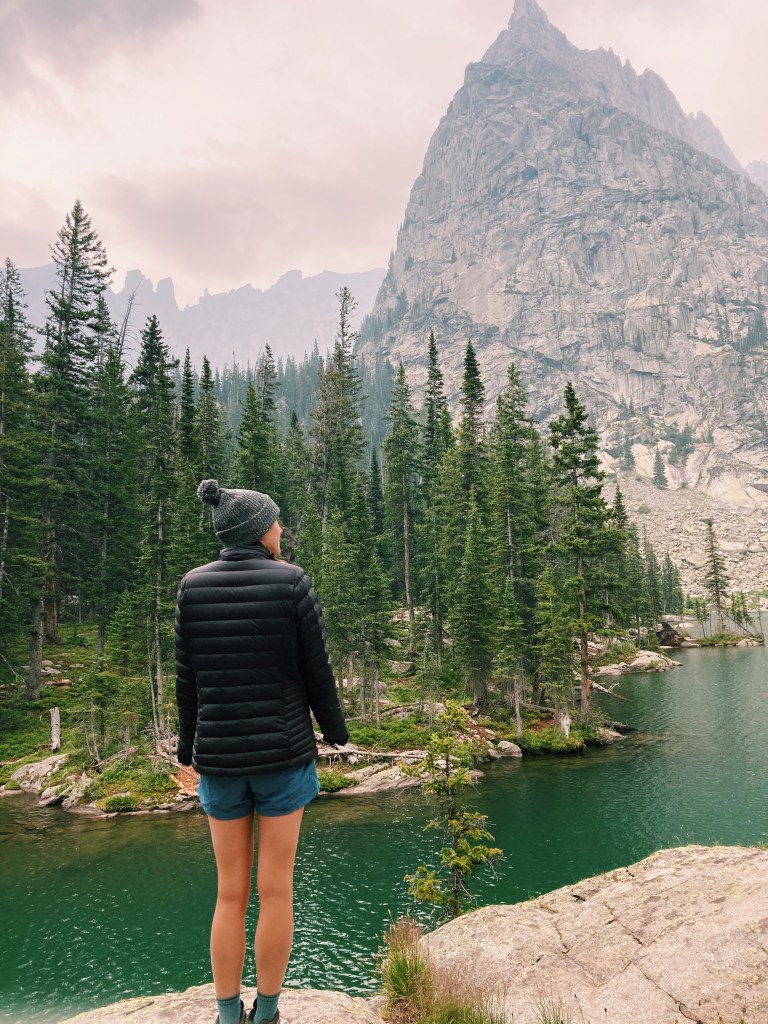
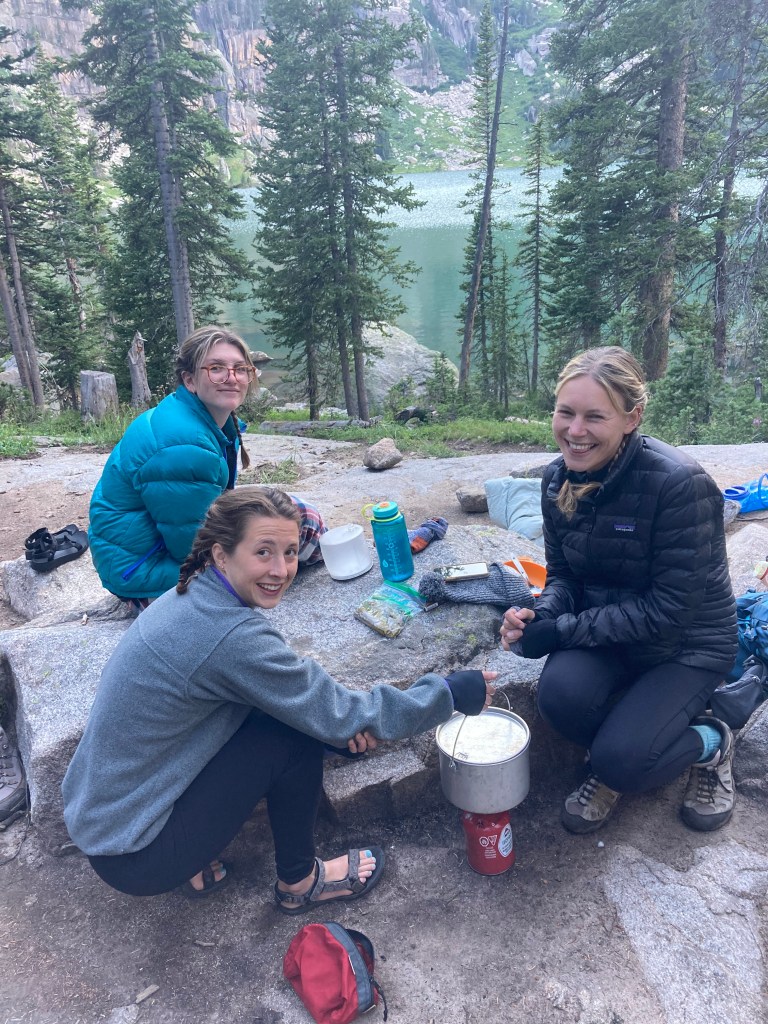
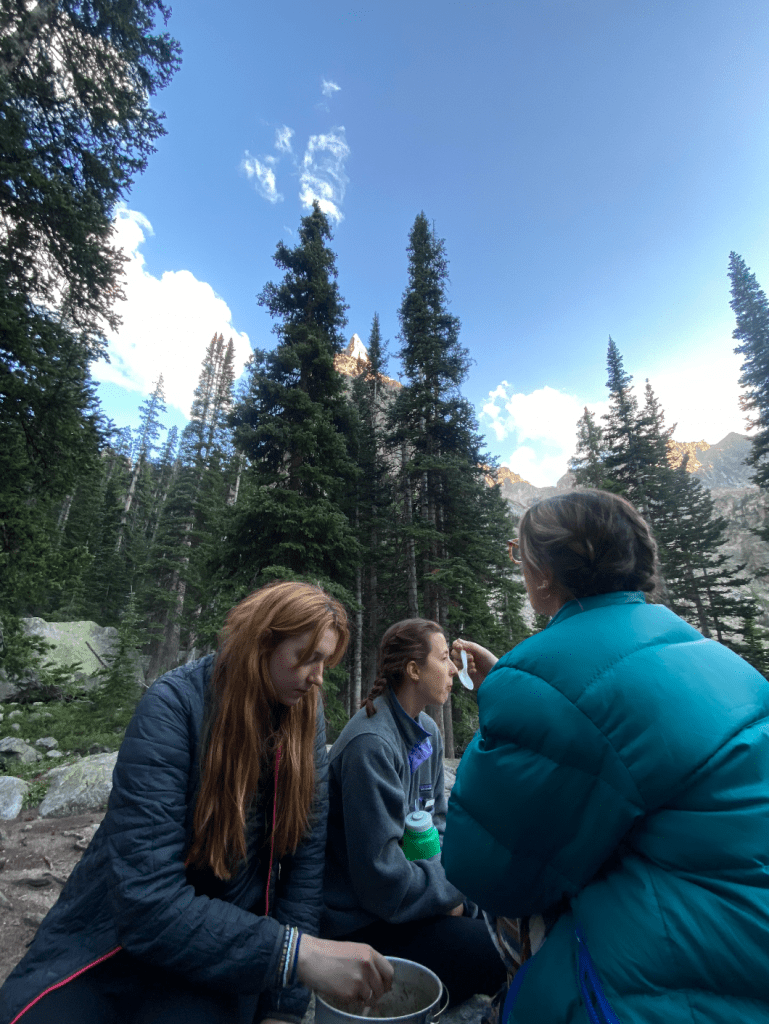
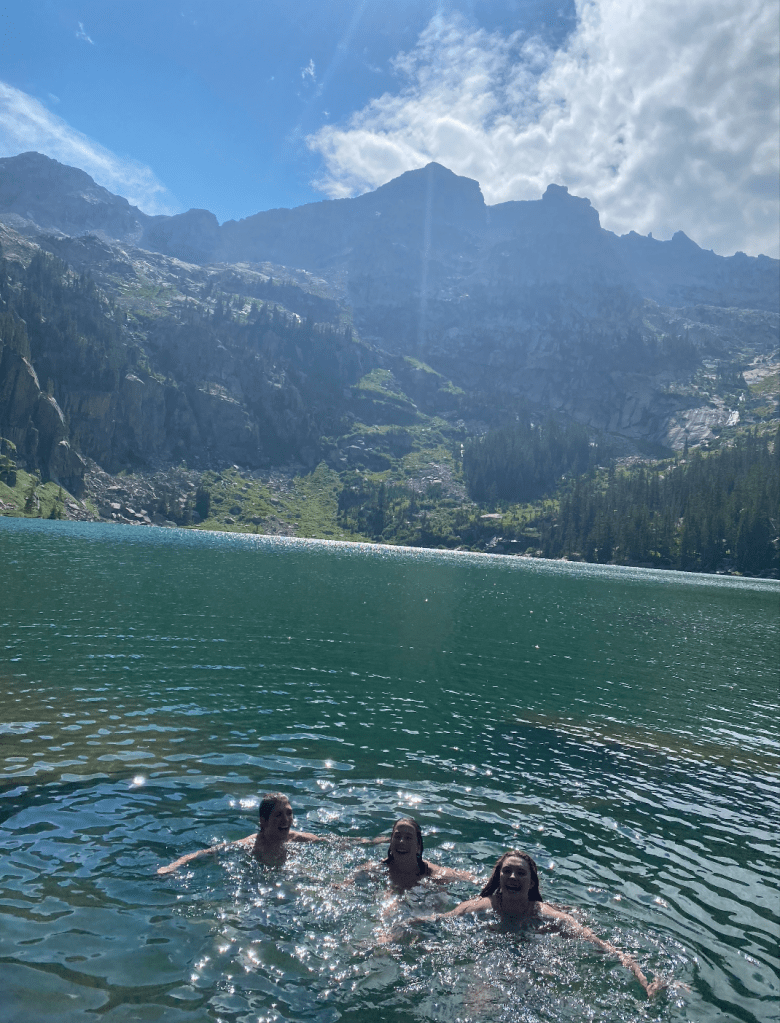
After a wild thunderstorm through the night, a morning dip in the lake, and oatmeal in our stomachs, we were off to our second day. Unfortunately, what we thought was a morning fog, was actually thick smoke coming through from California’s Dixie fire, and the blue skies we experienced the first day were replaced with smoggy haze. The second day, albeit smokey, was fairly easy. There was a climb with some exhausting switchbacks, but before we knew it we were in the Buchanan area and camped at Fox Park.
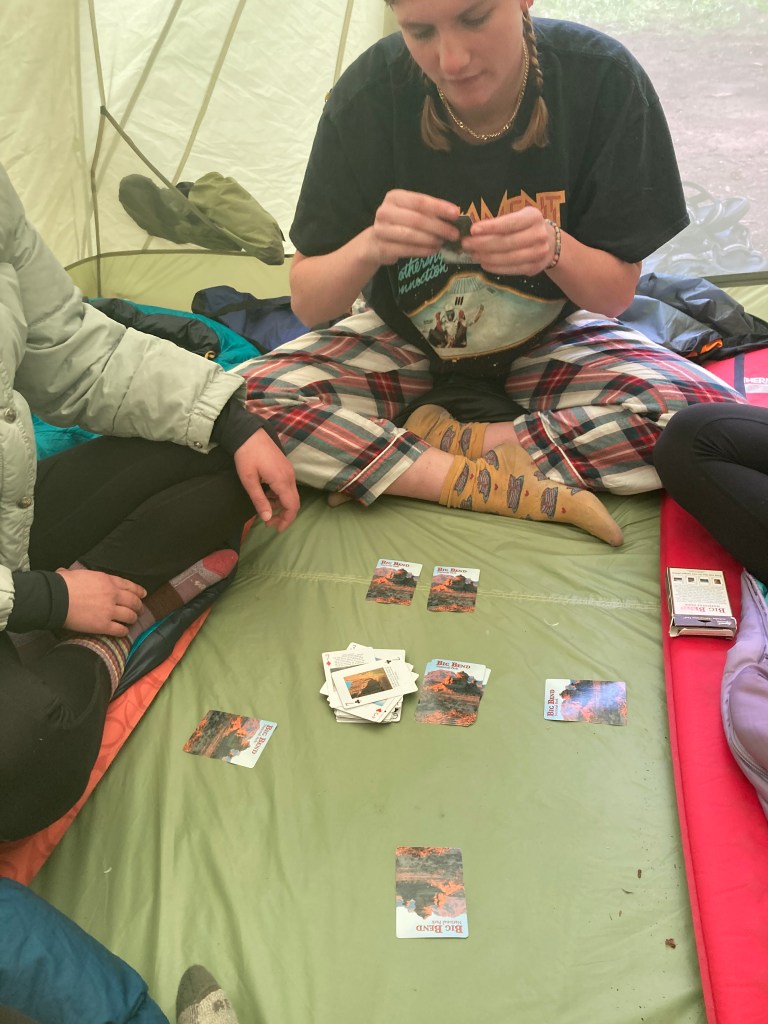
Fox Park was a lovely camp area where we had many deer friends that we could watch from our tent. With sore limbs, we piled in the tent playing hours of cards and wondering what the third and final day would offer.
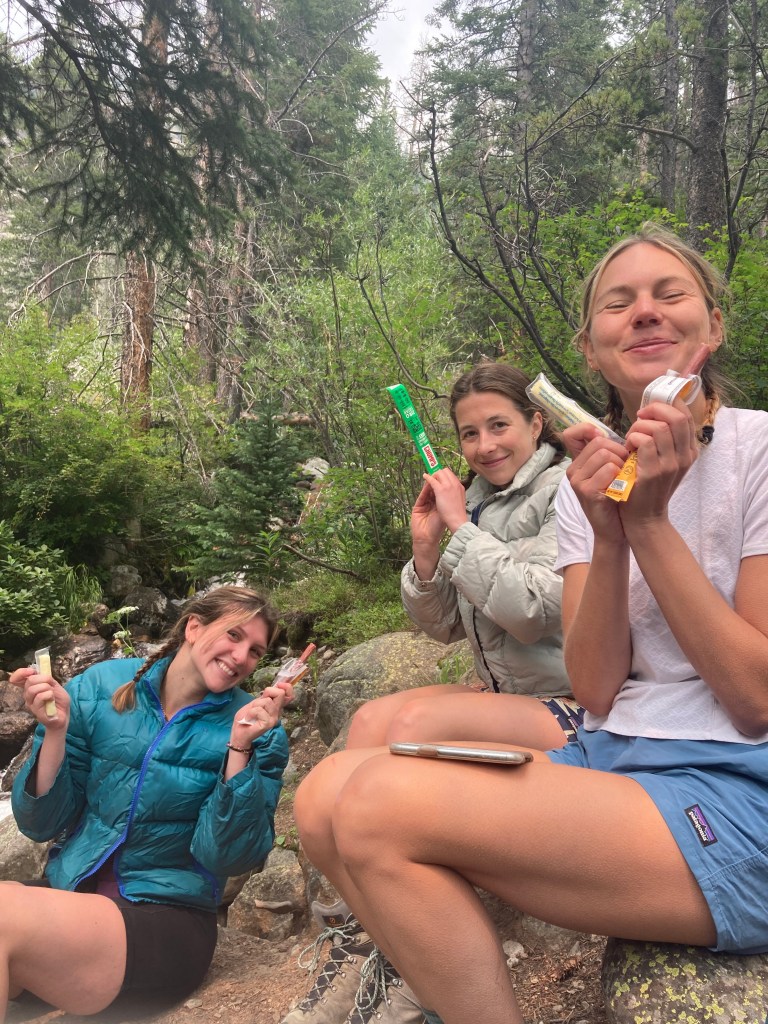
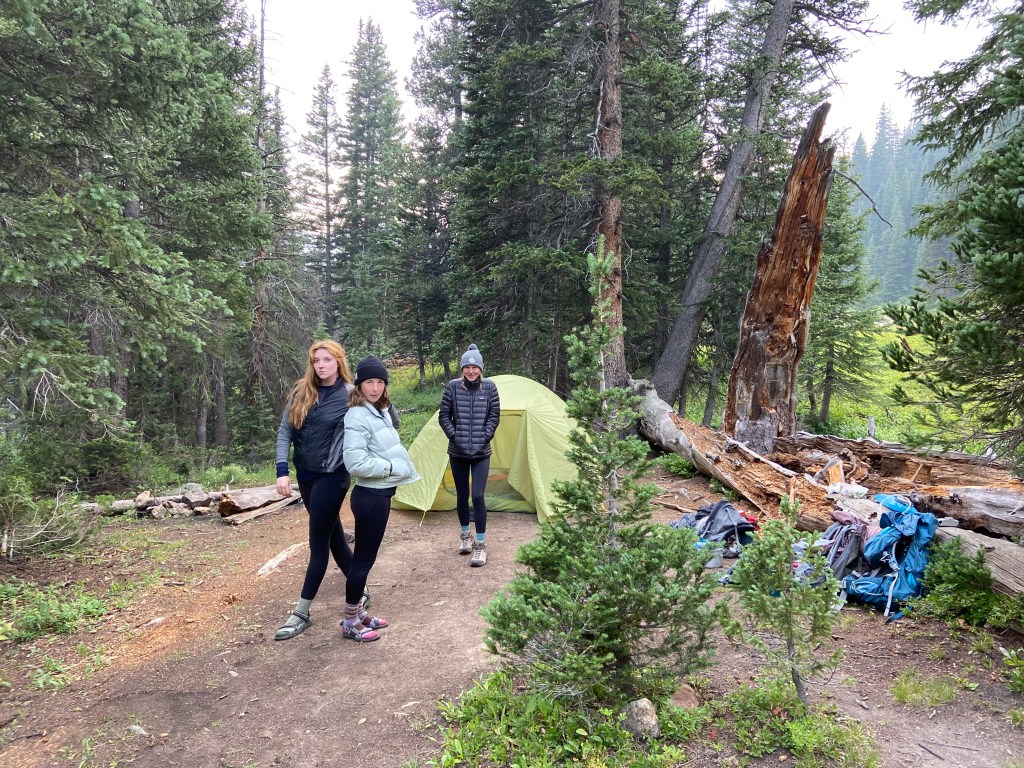
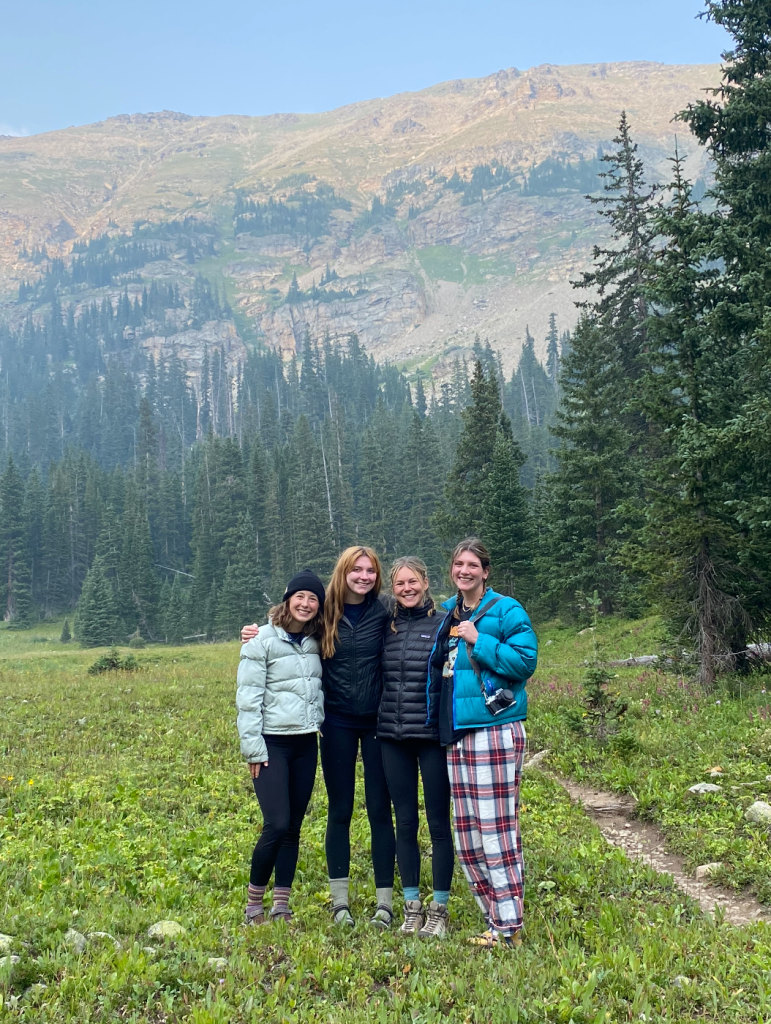
Being an expectation manager, I thought we had only one pass to cross for day 3, which was true to an extent. Buchanan Pass ended up being truly lovely. We climbed up the rolling hills and switchbacks and didn’t see a soul compared to the previously crowded Crater Lake Trail. The blue skies were back, and I soaked in the views of mountains I had never seen before. This pass was definitely easier than Pawnee, but to our unawareness, we had another big climb to finish off the day.


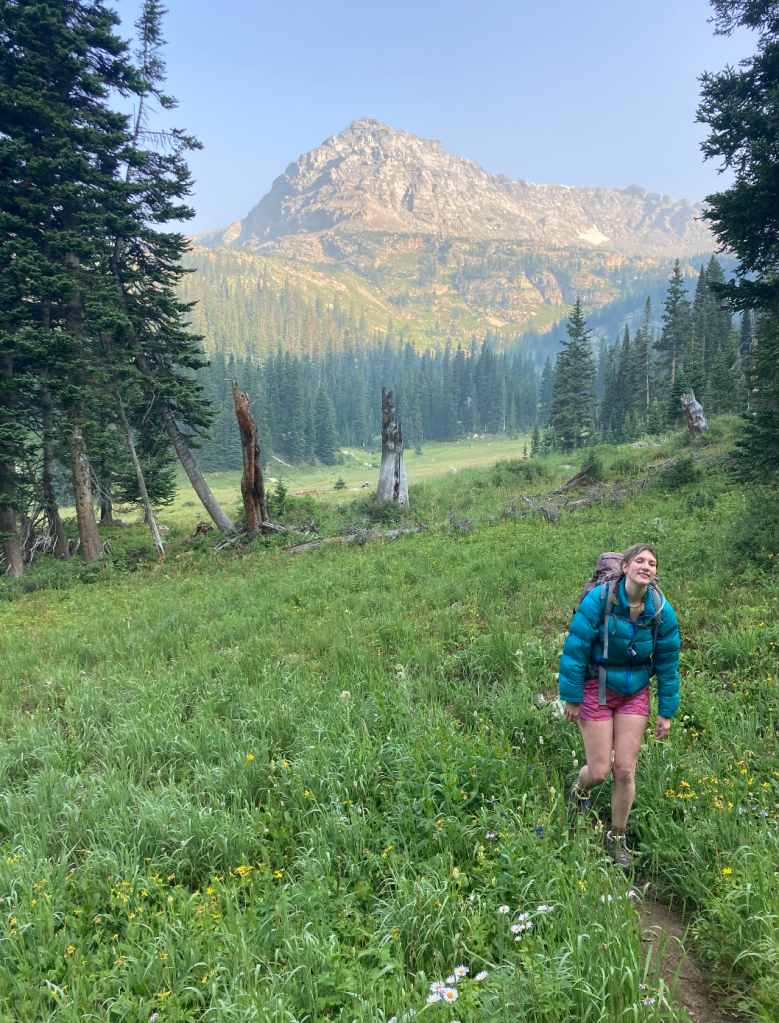
Perhaps it’s a lack of stretching or the eagerness to eat a burger or take a shower, but I have never had a positive last day of a backpacking trip. And although the morning was wonderful, once it hit noon and my group still had 5 miles left, the morale was low. The second climb, although not technically a pass, was in the heat of summer and felt neverending. Checking my phone every 14 steps, I felt like the trail was pushing against me. Blasting some Olivia Rodrigo for motivation, seeing a few moose, and planning every detail of what type of milkshake we would consume, we made it back to the car.
After getting our post-backpacking meal and feeling human once again, the group deemed the trip as amazing. This area is my absolute favorite for some of the most incredible views Colorado has to offer and is easily accessible from Denver. Each time I finish a backpacking trip, I am so grateful that I have friends willing to roll in the dirt with me, such beautiful views in my backyard, and the ability to travel by foot to untouched nature.
Things to note if you want to do the loop:
- Permit Process:
- Check on the website to find out when they will be releasing permits (it’s usually the March before)
- Find out which campsites you’ll want and how many days you want to go (there are many day excursions like Crater Lake/ Moraine Lake that might incentivize you to camp for more than 2 nights)
- Set your alarm and find out what dates you want to go (weekdays obviously go slower than weekends)
- In the summer of 2021 you additionally needed parking permits to avoid walking an extra 6 miles
- Permits were $11 a night and there are additional fees for parking
- Counter Clockwise or Clockwise
- Clockwise means you do the big pass the first day (a pass I personally could not go up on day 3)
- Clockwise you see Crater Lake first
- Clockwise you have 2 little passes day 3
- Counter clockwise you have an easier first day
- Counter clockwise you end with Crater Lake (a true highlight)
- Counter clockwise you do have a brutal uphill day 3
- Difficulty
- This backpacking trip isn’t exceptionally difficult if you’ve done other trips
- You can also break it up and go up to Crater Lake one night through Granby
- 3 days of backpacking is always tough but this wasn’t overly difficult
- Protips
- Try to get to Crater Lake early to maximize time at this beautiful campsite
- Bring lots of bug spray!!!
- Make sure you have all necessary permits including the parking one
- Map out where you plan to camp
 Hailee Boyle Social Media Management